Built-Up Area of a House: What It Really Means and Why It Matters
When buying, selling, or planning a house, one term appears repeatedly and is often misunderstood: built-up area. Many homeowners assume it refers only to the usable space inside the house. That assumption is wrong—and it can be costly.
This article explains what built-up area actually means, what it includes and excludes, and why understanding it is essential before making any real-estate decision.
What Is the Built-Up Area?
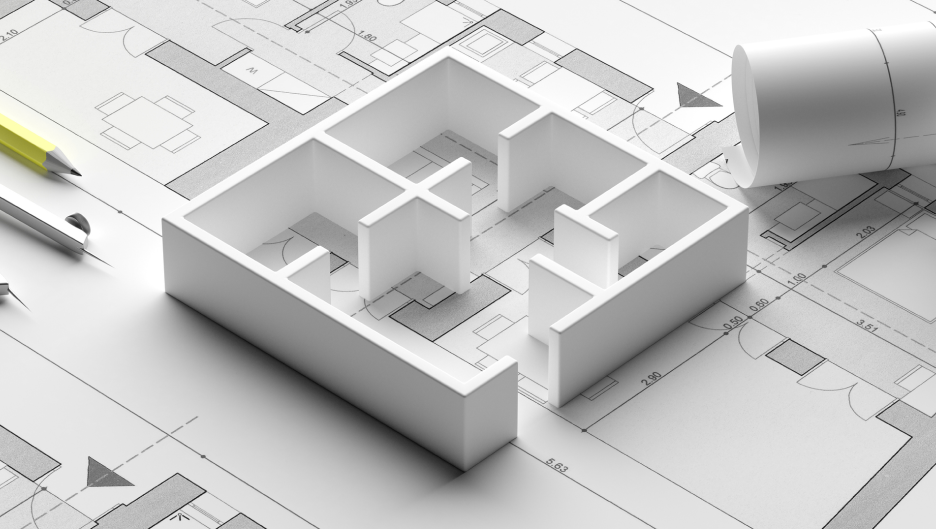
The built-up area of a house is the total area covered by the structure, measured from the outer edges of the walls. In simple terms, it is the footprint of the building on the plot.
Unlike carpet area, which measures only the usable internal space, the built-up area includes everything that physically forms the house.
What Is Included in the Built-Up Area?
The built-up area typically includes:
-
Internal usable spaces
Bedrooms, living rooms, kitchens, bathrooms, store rooms -
Wall thickness
Both internal and external walls -
Covered balconies and verandas
-
Staircases inside the house
-
Utility areas (if covered)
If it is roofed and structurally part of the house, it usually counts.
What Is Not Included?
The following are generally excluded from the built-up area:
-
Open terraces or open balconies
-
Gardens or lawns
-
Open parking spaces
-
Driveways and setbacks
-
Boundary walls and gates
However, definitions can vary slightly depending on local building regulations. Never assume—verify with approved plans.
Built-Up Area vs Carpet Area: The Key Difference
This distinction causes the most confusion.
| Aspect | Built-Up Area | Carpet Area |
|---|---|---|
| Measures | Total constructed area | Usable living space |
| Includes walls | Yes | No |
| Includes balconies | Yes (if covered) | No |
| Used for approvals | Yes | No |
| Used for daily living | Indirectly | Yes |
As a rule of thumb, carpet area is about 70–75% of the built-up area in most residential houses.
Why the Built-Up Area Matters
Ignoring the built-up area is a mistake. Here’s why it matters:
1. Legal Compliance
Building approvals, floor-area ratio (FAR), and zoning limits are calculated using built-up area. Exceeding it can lead to penalties or demolition orders.
2. Cost Estimation
Construction costs are usually quoted per square foot of built-up area, not carpet area. Misunderstanding this leads to budget overruns.
3. Property Valuation
Many developers market houses using built-up area figures. Buyers who don’t question this often overestimate usable space.
4. Resale Transparency
Accurate built-up area figures prevent disputes during resale or registration.
Common Misconceptions
-
“Built-up area equals living space”
Incorrect. Walls and non-usable areas are included. -
“All builders calculate it the same way”
False. Definitions vary slightly. Always ask for a detailed breakup. -
“Bigger built-up area means a better house”
Not necessarily. Layout efficiency matters more than raw numbers.
How to Verify the Built-Up Area
Be methodical:
-
Ask for approved building plans
-
Check local municipal definitions
-
Request a carpet area statement
-
Measure critical dimensions if possible
-
Consult an architect or civil engineer if the numbers look inflated
Blind trust has no place in real estate.
Final Thoughts
The built-up area is not a marketing term—it is a technical and legal measurement that directly affects cost, compliance, and value. Treat it seriously.
If you don’t clearly understand what is being counted, you are negotiating at a disadvantage. In property matters, ambiguity always favors the seller, not the buyer.
Know the numbers. Question them. And verify everything.
Recommended
 4 MIN READ
9 RERA guidelines to know before buying a property in India
Ensure a smooth property purchase in India by understanding these 9 key RERA guidelines
 6 MIN READ
How to file a complaint with RERA?
A guide to filing a complaint with RERA and what to expect
 10 MIN READ
Home Loan Process in India: Eligibility, Interest Rates, and Documents Required Explained
Owning a new home is as much about the quality of interiors as it is about structure and location.